


Your visit begins with a comprehensive evaluation of your oral health, including advanced imaging and a detailed examination. This allows us to assess your teeth, gums, and supporting structures accurately. Based on our findings, we’ll walk you through your current dental health and discuss any recommended treatment options along with estimated costs, if needed.
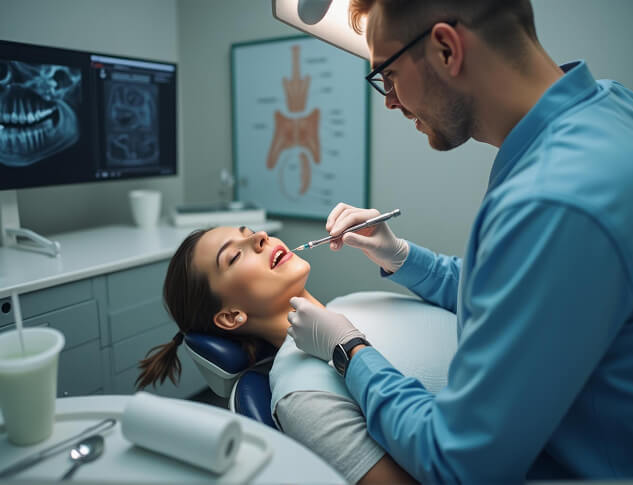
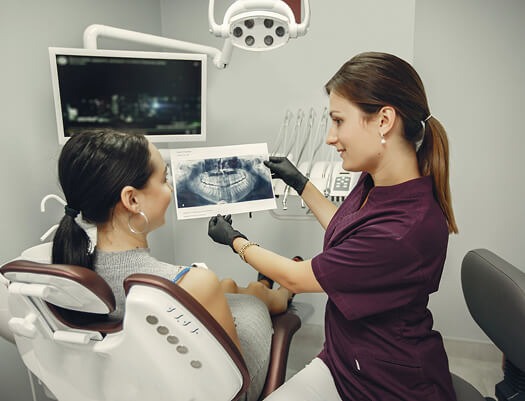
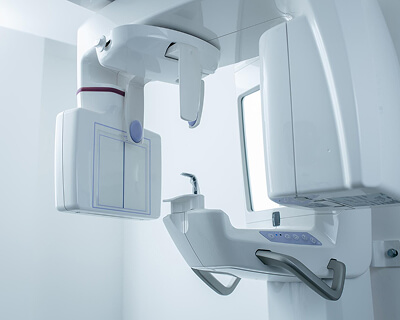
This provides a complete view of your teeth, jaw, and surrounding structures in a single image. It is quick, comfortable, and uses minimal radiation while helping us detect concerns that may not be visible during a clinical exam.
To complement the panoramic X-ray we get a set of bitewing, or “cavity detection”, X-rays that allow the doctors to see in between your back teeth. This is one of the most common spots for cavities to develop. Bitewing X-rays are composed of two X-rays on each side of the mouth.
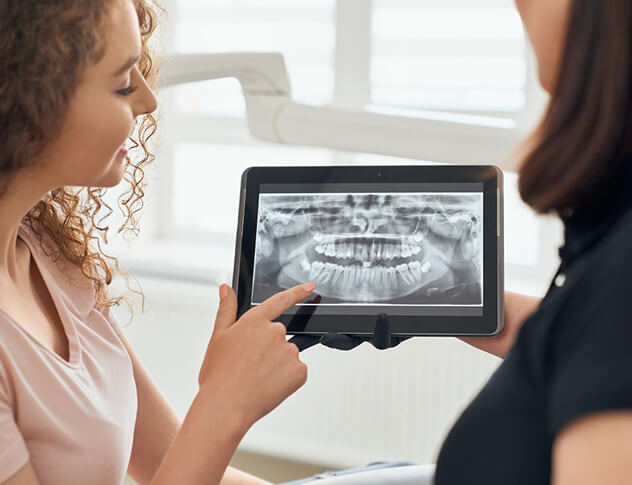

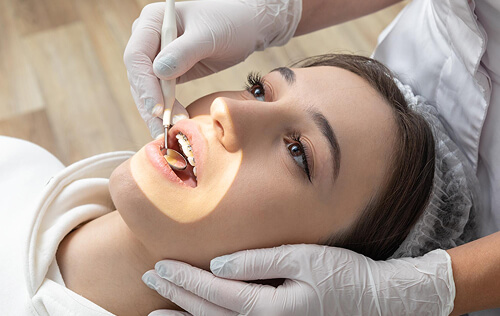
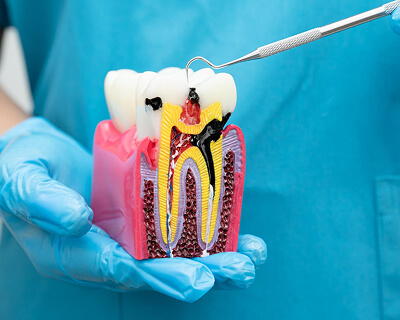
When you come for a dental exam, our dentist checks your fillings and may suggest that you replace any loose or broken ones. Our dentist also looks for signs of decay, such as brown or black spots and may want to use X-rays to take a closer look at problem spots.
If you have a cavity, our dentist may consider monitoring the cavity for a certain period (if it’s small) or fill it right away (if the cavity is large). If a large cavity is not filled, it can get bigger and cause pain. The tooth may even have to be removed and replaced with a false (or artificial) tooth. If you have a cavity and it needs a filling, there are different kinds of fillings to do the job.
Dental sealants are thin, and made of composite resins( plastic-based coatings) placed on the biting surface of the teeth, usually onto the chewing surfaces of back teeth (molars and premolars) to prevent decay. Sealants make a great choice for preventing tooth decay, especially in children and teenagers. They work by filling in the crevasses on the chewing surfaces of the teeth which further shuts out food particles that could get caught in the teeth, causing cavities. The application is fast and comfortable and can effectively protect teeth for many years.
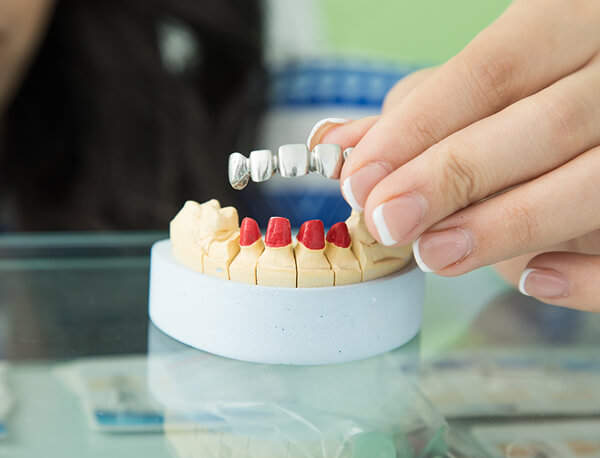
A dental bridge is a fixed, non-removable dental restoration used to replace one or more missing teeth by securing an artificial tooth (or teeth) to the surrounding natural teeth or dental implants. By bridging the gap left by missing teeth, it helps restore normal chewing ability, improves the appearance of the smile, and supports overall oral health by maintaining proper tooth alignment.
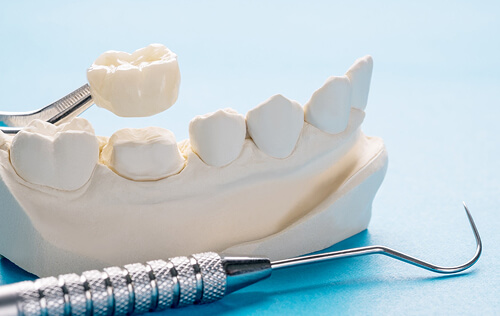
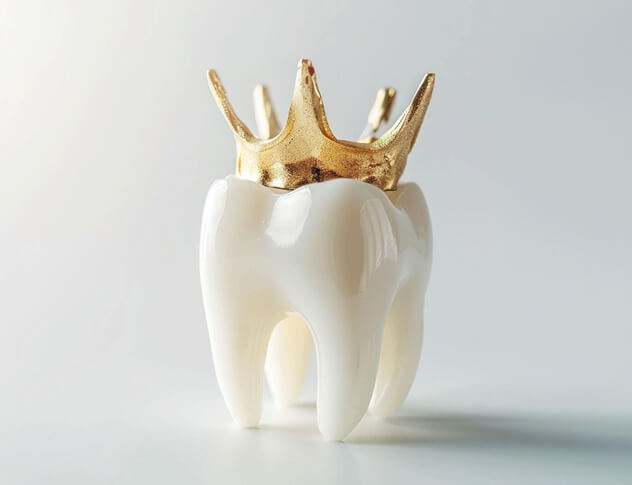
If your tooth is damaged but not lost, a crown can be the best way to restore its shape, appearance and function. You may need a crown if you have a root canal, a large filling in a tooth or a broken tooth. A crown, also called a cap, is a hollow, artificial tooth used to cover a damaged or decayed tooth.
The crown restores the tooth and protects it from further damage. Crowns can also be used to cover a discoloured or misshapen tooth. A tooth that has been fixed with a crown looks and works very much like a natural tooth
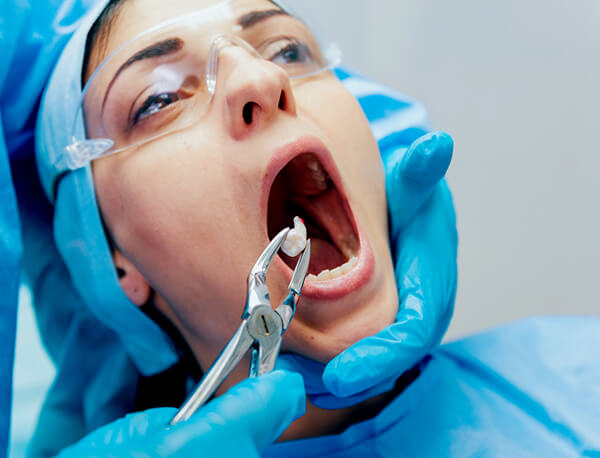
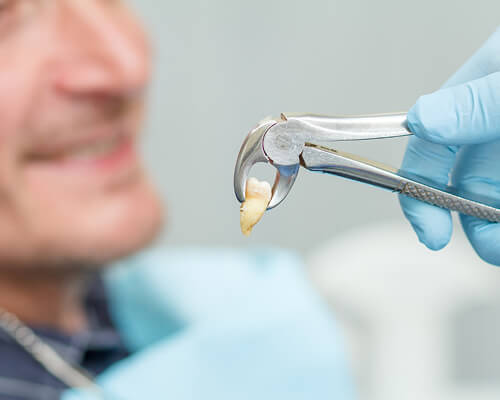
When a tooth is severely damaged and cannot be restored with other treatment options, it may need to be removed. This procedure is called tooth extraction and is typically considered a last resort when saving the tooth is no longer possible. Before removing your tooth, our dentist will give you a local anesthetic to numb the area where the tooth will be removed. A stronger, general anesthetic may be used, especially if several or all of your teeth need to be removed. General anesthetic prevents pain in the whole body and will make you sleep through the procedure.
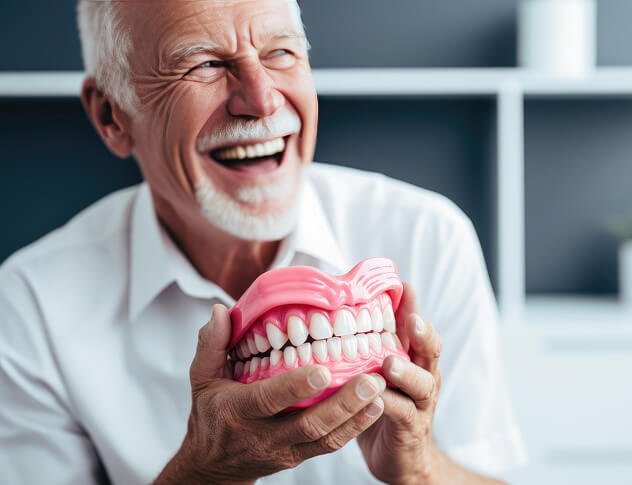
A denture is a removable replacement for missing teeth and the tissues connected to those teeth. It is made of acrylic plastic and sometimes porcelain and metal materials. A denture closely resembles natural gum tissue and teeth. A partial denture is for people who still have some of their natural teeth. Complete dentures replace all of the teeth, while partial dentures fill in the spaces created by missing teeth and prevent other teeth from shifting position.
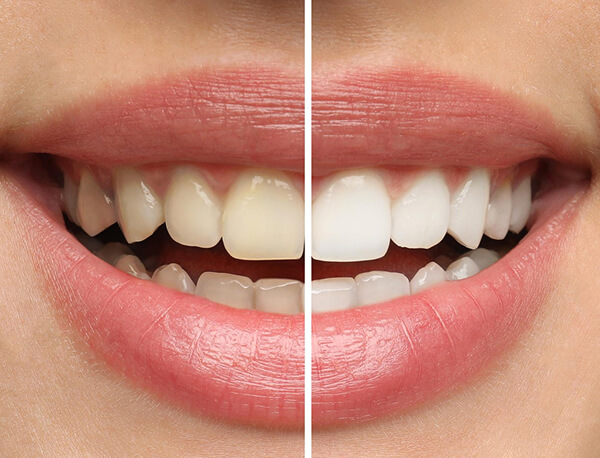
Get a brighter smile in Baytown, Tx with our teeth whitening options. There are many options to consider if you want to obtain whiter teeth and a more attractive smile.
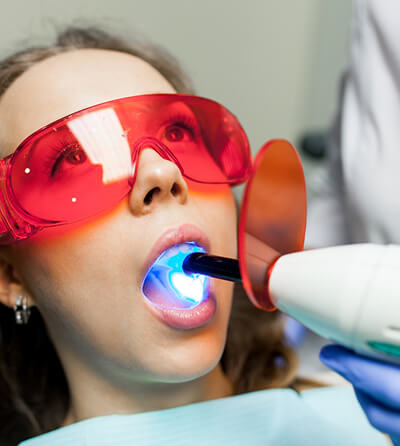
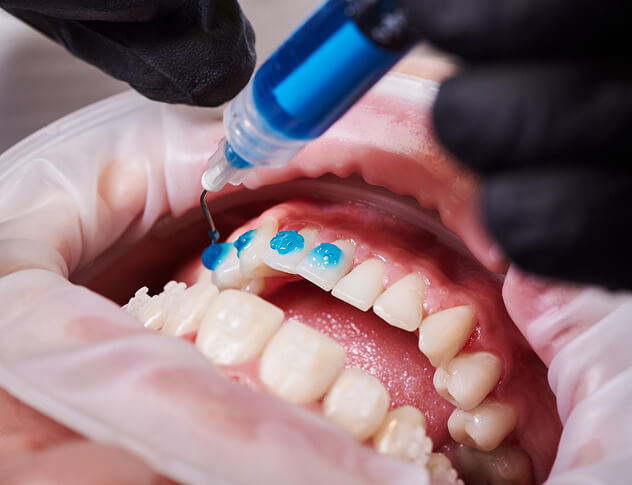
For those who are candidates for bleaching, our dentist may suggest chairside bleaching, which may require more than one office visit.
Each visit may take from 30 minutes to one hour. During chairside bleaching, the dentist will protect the oral soft tissues with either a protective gel or a rubber shield. A bleaching agent is then applied to the teeth, and a special light may be used to enhance the action of the agent.
Bleaching solutions contain peroxide(s), which bleach the tooth structure. They typically come in a gel and are placed in a mouthguard. The dentist can make a custom-fitted mouthguard that will fit the teeth precisely, ensuring a more uniform and effective action.
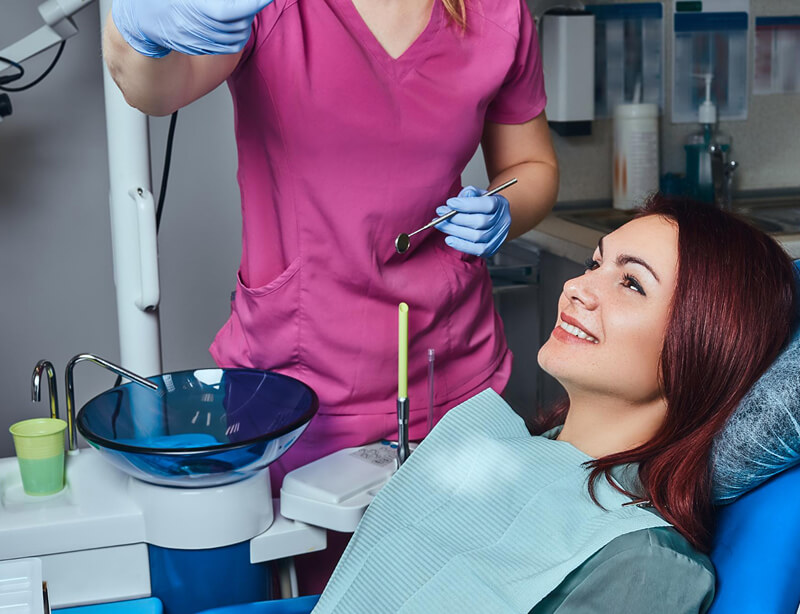
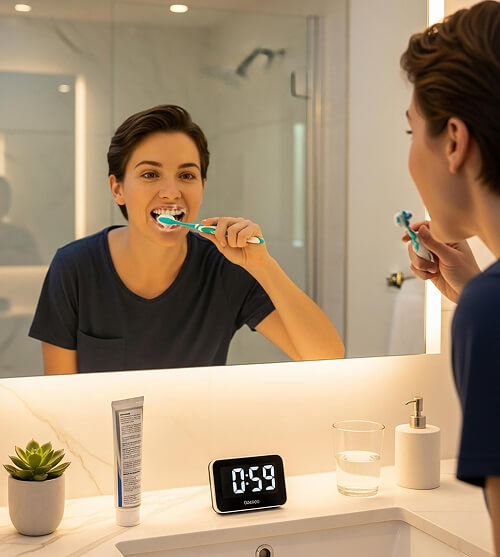
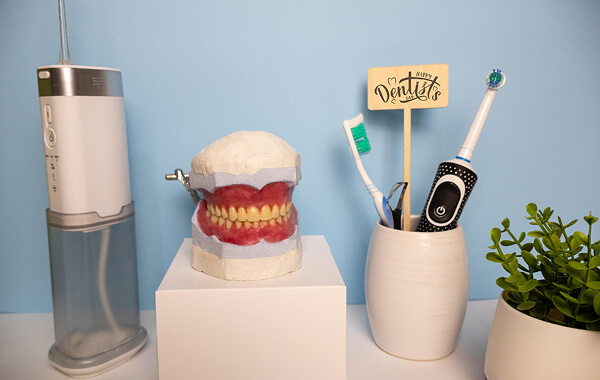
There are several types of products available for use at home, which can either be dispensed by your dentist or purchased over-the-counter. While these products have improved over the years in effectiveness and ease of use, professional supervision increases success with home bleaching, ensuring proper fit of trays, diagnosis of discoloration and chance of success with bleaching, monitoring progress and managing side effects (sensitivity).
A root canal is a dental treatment used to remove infected, damaged, or dead nerve tissue and bacteria from inside a tooth. It is typically performed when an infection reaches the tooth’s inner pulp, often causing pain and swelling in the surrounding area. This infection may develop due to decay, a cracked tooth, or injury.
The procedure helps preserve the natural tooth by cleaning and sealing it. Without timely treatment, the infection can worsen and may eventually lead to the need for tooth extraction.
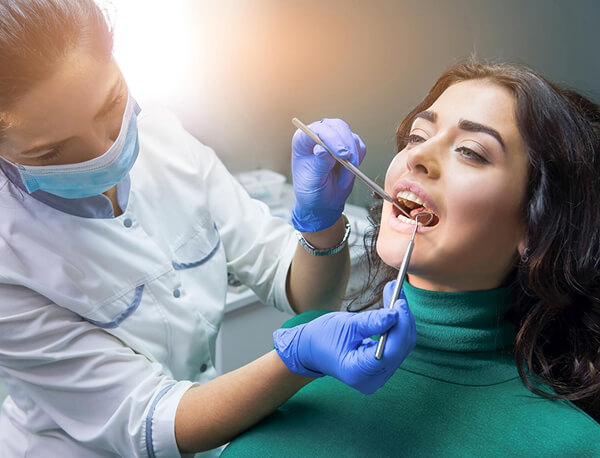
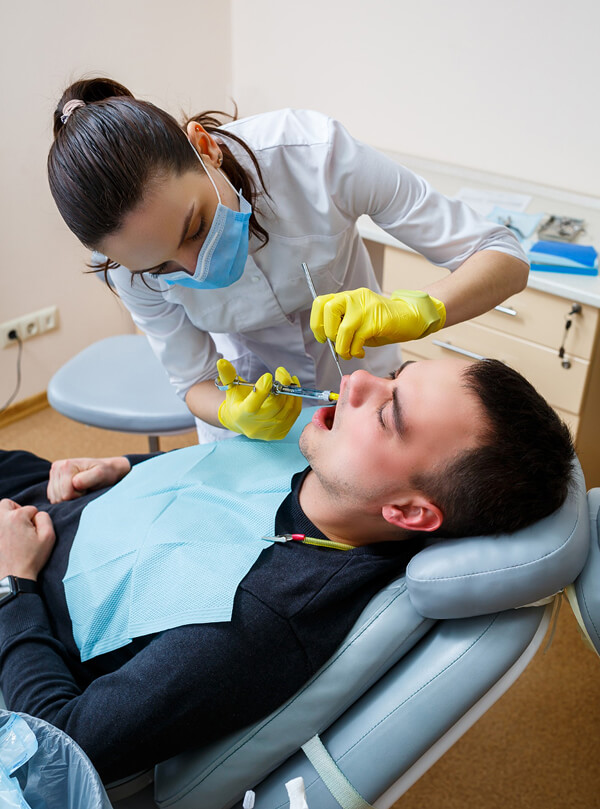
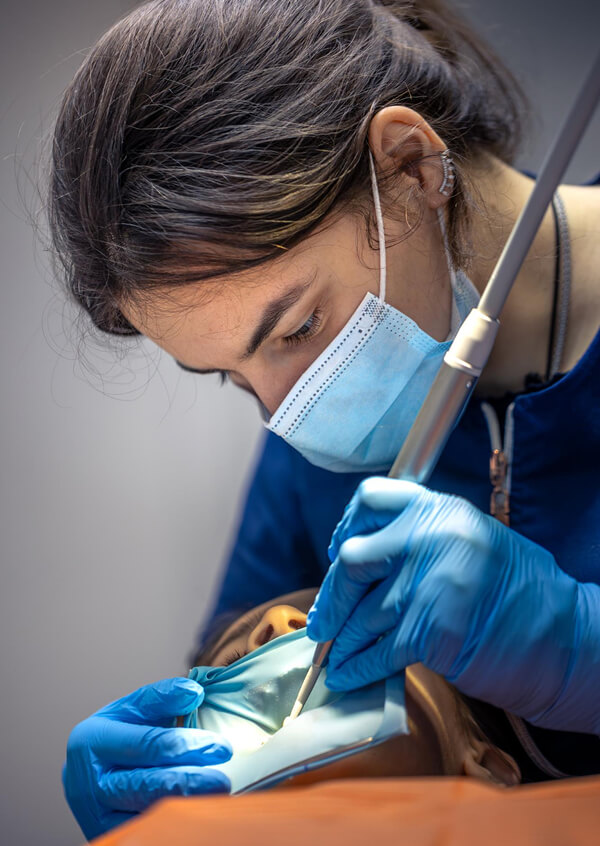
Sedation dentistry allows dentists to create a state of relaxation and thus manage the fear and pain patients may experience during dental procedures. There are different types of sedation in dentistry. Local anesthesia is administered by injecting medication into tissue or by applying a medication topically to an area to eliminate sensation.
Minimal sedation is used most frequently in dentistry and usually involves taking medications orally. All bodily functions remain normal and the person is able to breathe on his or her own.
The patient may respond normally to verbal commands and may experience some degree of amnesia about what happened during their dental appointment. Nitrous oxide or “laughing gas” may be used to achieve minimal sedation and in combination with a recommended dosage of oral medication.
Moderate sedation is achieved by using medications that can be taken orally or intravenously (IV). Patients who undergo moderate sedation are awake and respond to touch and/or verbal commands. All bodily functions remain normal, and the patient does not need assistance breathing.
Deep sedation can be achieved by injecting medication, giving oral medications, and in combination with gases. Patients who are deeply sedated are not easily awakened but may respond to some stimulation. Patients may need some breathing assistance at deeper levels.



© 2026 Smilepoint Dental Baytown. All Rights Reserved. Powered by Capline, a Top-Rated Solutions Provider for Dental Offices.


